Synthetic Mobility Data for Better Decisions
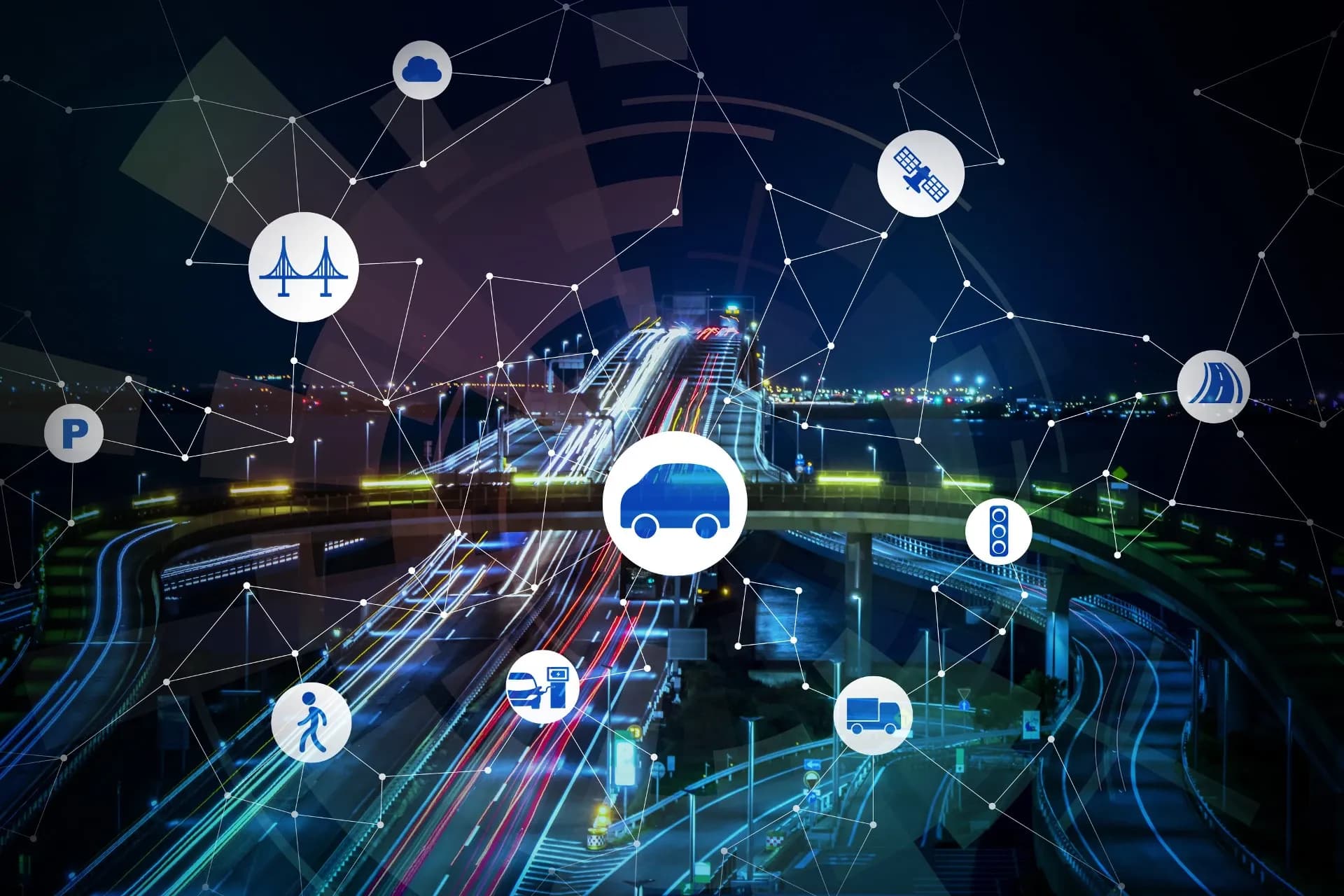
Our vehicles collect a tremendous amount of data that can be used to develop and run innovative applications. Mobility-generated data allows us to run connected vehicle services, improve road safety, enable autonomous driving, and provide intelligent personal assistants.
With ready access to this valuable data in formats that are secure and actionable, insurance companies and other industries can use it to acquire more customers, increase profitability with better underwriting, and create superior customer experiences.
What is mobility data?
Mobility data is the geographic location of a device, passively produced through normal activity, referring to the trajectory of people and objects. Location-based data is growing more common thanks to smartphones and next-generation vehicles.
While users are aware of its potential value, companies willing to monetize or extract insights from this data must comply with current data privacy laws. movement patterns are of particular interest to insurers to better understand customer preferences and provide tailored pricing.
The ability to process real-time mobility data and translate it into higher-level information is fundamental. Artificial intelligence now allows insurers to learn from this data to develop services that are strictly tailored for users. Furthermore, synthetic data supports the secure exchange of mobility information to promote innovation without compromising privacy.
Redefining the insurance industry with synthetic mobility data
As mobility data is rare and hard to collect, insurance companies have begun exploring synthetic generation. Synthetic datasets are quickly replacing older approaches to data anonymization such as data masking or pseudonymization. This approach is much more secure, and datasets can be created in a fraction of the time.
In an industry with price-sensitive consumers and stiff competition, effective customer engagement and usage-based pricing may be the deciding factor that separates winners from losers.
Key use cases for insurers:
- 1. Improve targeted advertising: Targeted advertising involves connecting with audiences who are able to relate to the benefits that the product offers, increasing conversion rates dramatically. However, for targeted advertising to be effective, a strong understanding of demographics and customer behaviour is necessary. Insurance companies can make use of synthetic mobility data to execute a high-performing real-time campaign based on the location and intent of car buyers to purchase auto insurance. Also, by using mobility data, insurance companies could customize advertising messages to address the needs of new or used car buyers in the area so as to increase relevance and conversions, improving as a result the return on investment of their campaigns.
- 2. Maximize revenue by upselling: By upselling, insurers can offer customers additional products and services such as extra coverage on top of basic policies or upgrading them to more comprehensive ones. In order to upsell effectively, insurance companies have to understand their customers´s intent. In order to know what additional products and services their customers would want in the near future and upsell effectively, insurers must look at synthetic mobility data. For instance, based on mobility information, an insurance company can offer additional services such as sports insurance for customers who are travelling to the mountain. This would allow them to maximize their revenue and provide customers with a delightful experience that will enforce their loyalty with the company.
- 3. Create new products and services: Building the right products and services for customers is essential for any company, not only for insurers. This will not only result in an increase in trust and loyalty, but also leads to customers recommending your product to their family and friends. Understanding who your customers are, how they behave and what they want will help insurance companies customize their products and services to meet their needs. For instance, insurers can create usage-based insurance products such as pay-as-you-drive (PAYD) and pay-how-you-drive (PWYD). Tap into automated mileage verification , time-of-day traffic and driver behaviour tracking. Synthetic data eliminates the biggest barrier to usage-based insurance, the protection of personal data privacy and the prohibitive costs of deploying and managing telematic devices.
- 4. Fraud detection: Insurance companies can also use synthetic mobility data to assess risk by creating realistic simulations of various driving scenarios and then applying the results to their risk management strategies. This information can be used to better predict the likelihood of accidents and the potential consequences of these incidents, allowing insurers to make more informed decisions about risk assessment and pricing. For example, synthetic mobility data can be used to model different types of road conditions, such as heavy traffic, inclement weather, or road hazards, to understand how these conditions might impact driver´s behaviour and increase the risk of an accident. This data can also be used to simulate behaviours of different types of drivers, such as new drivers, elderly drivers, or drivers under the influence of drugs and alcohol, to see how these factors might impact accident rates.
Synthetic data is emerging as a possible solution to all of these challenges. Synthetic data sets contain the same amount of details as original customer data, but without the original personal details. Synthetic datasets without any personal information can also be tweaked to improve balance and representation, and help insurers comply with privacy regulations like GDPR and CCPA.
Overall, synthetic mobility data can be a valuable asset for insurance companies in their efforts to create new innovative products and services, increase loyalty and engagement with their customers, assess risk and reduce fraud, and make more informed decisions about marketing strategies and policy pricing, resulting in a much more durable and profitable business.