
Data Validation
Validate and govern your data before using it. Data Validation automatically analyzes the structure, quality, sensitivity, and traceability of your datasets to help you identify issues, reduce risks, and prepare data for analytics, artificial intelligence, and secure data sharing.
Turn any dataset into a reliable
production-ready asset
Data Validation automates inspection, cleansing, profiling, and risk analysis so teams can quickly understand the true state of their data and make decisions with greater confidence.
Start for freeAutomatic analysis from the very beginning
Every dataset is automatically inspected upon ingestion, generating a complete technical view of its structure and content.
- Automatic detection of formats, encodings, and structures
- Analysis of rows, columns, headers, and technical metadata
- Support for tabular data, documents, images, audio, and video
- Optimized processing for datasets with millions of records

How does it work?
Dedomena.AI automates data validation and understanding so you can work with trusted information from day one.
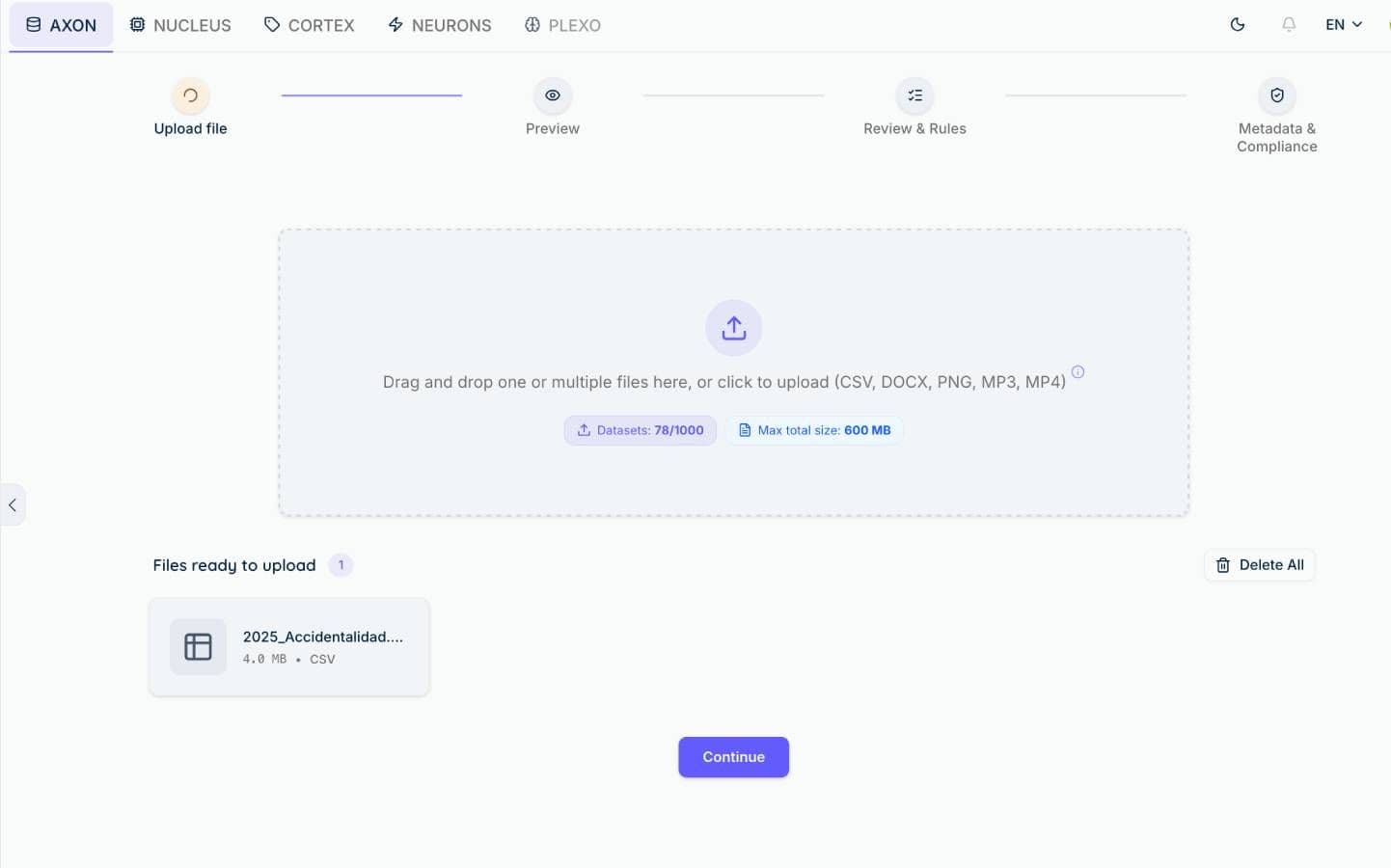
Import the dataset
Upload data from local files, URLs, or enterprise connections and add it to your Workspace.
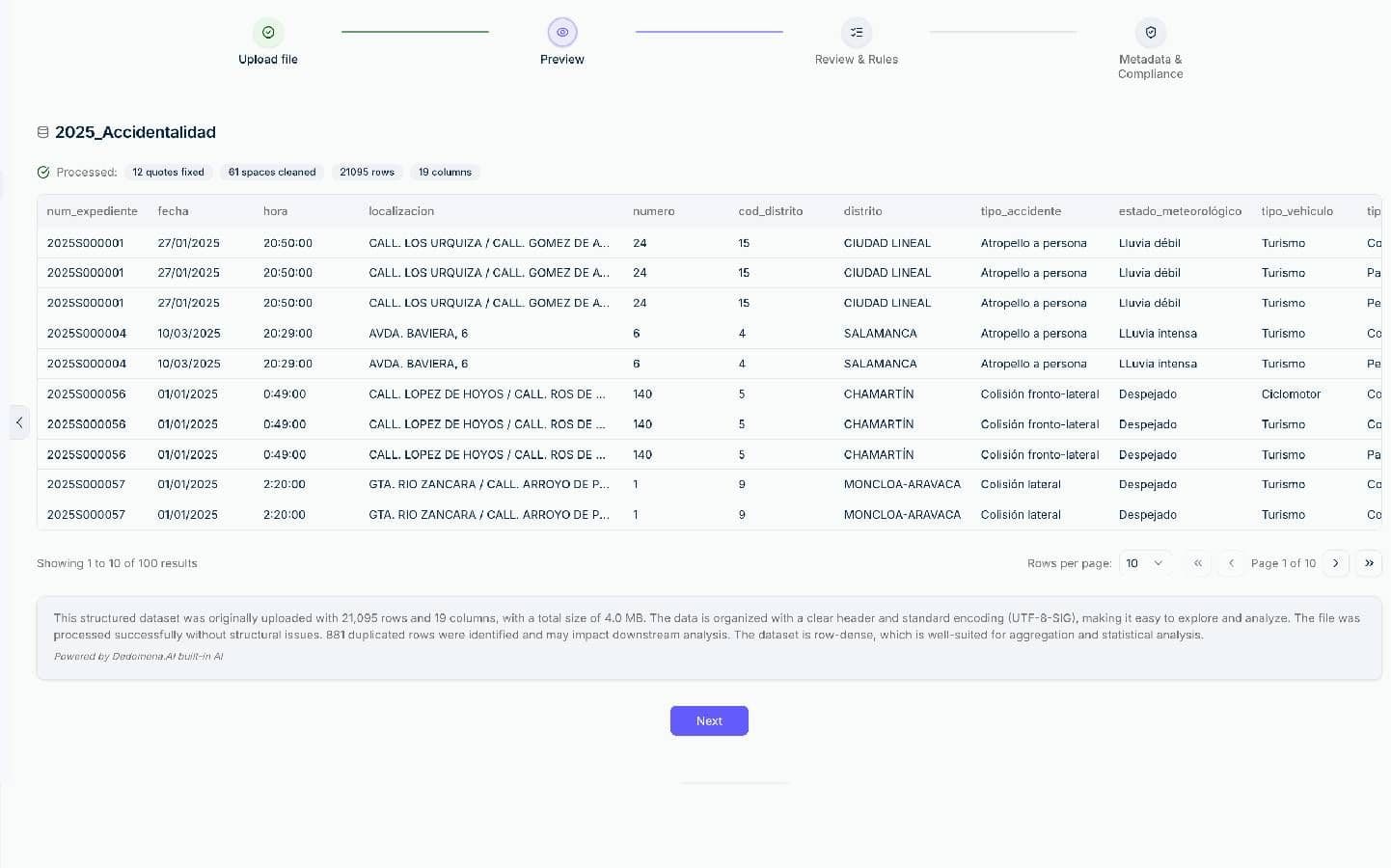
Automatically analyze the information
The platform inspects the file structure, extracts technical metadata, detects issues, and generates an initial quality assessment.
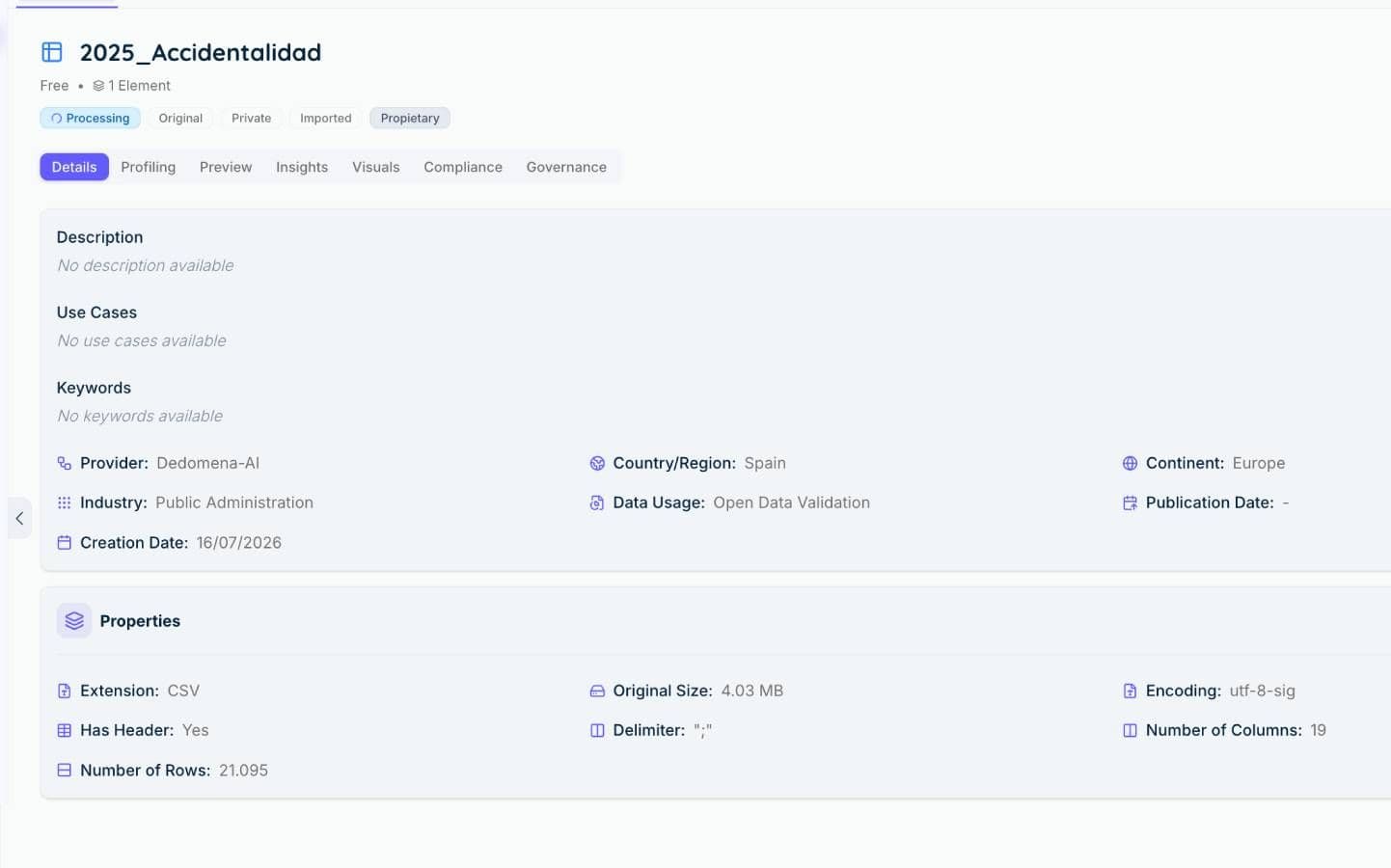
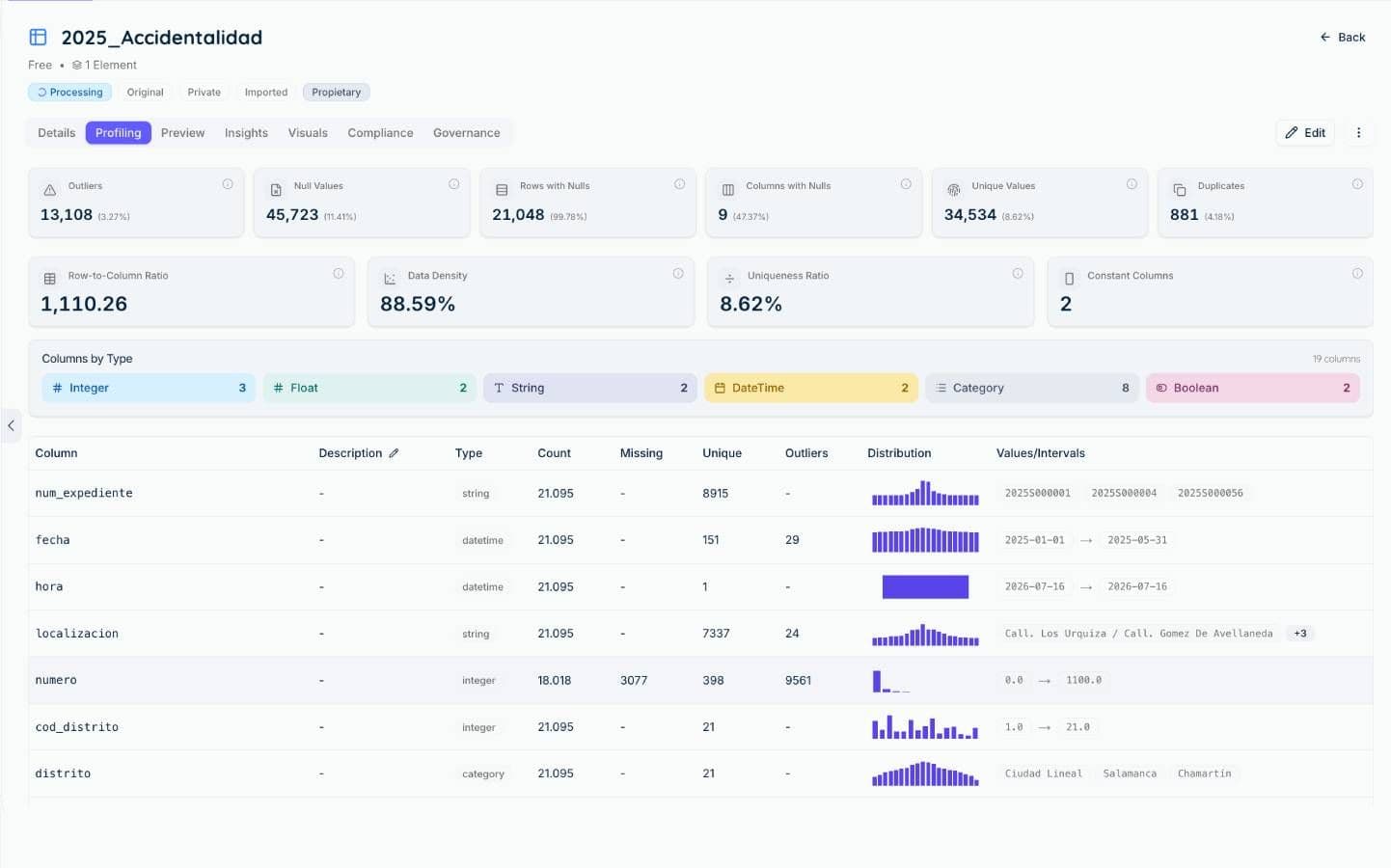
Understand data behavior
Access profiling views, visualizations, risk analysis, AI-generated insights, and privacy assessments from a single environment.
Validate and prepare the dataset
Apply transformation rules, enrich metadata, and prepare the dataset for analytics, sharing, or artificial intelligence initiatives.
Benefits
Understand the true state of your data. Gain a unified view of the content, structure, quality, and sensitivity of every dataset.
Detect issues before they impact your projects
Identify structural errors, anomalies, sensitive information, or potential biases before using the data.
Improve trust in AI processes
Work with documented, traceable datasets that are ready for training and validating AI models.
Reduce regulatory risks
Facilitate compliance processes through automated privacy assessments and audit documentation.
Increase traceability and governance
Maintain a complete history of transformations, analyses, and changes applied to every dataset.
Generate documentation automatically
Produce quality, risk, and profiling reports ready for review, sharing, or regulatory compliance.
Use Cases
Data Preparation for Artificial Intelligence
Validate and understand datasets before training, evaluating, or monitoring AI models.
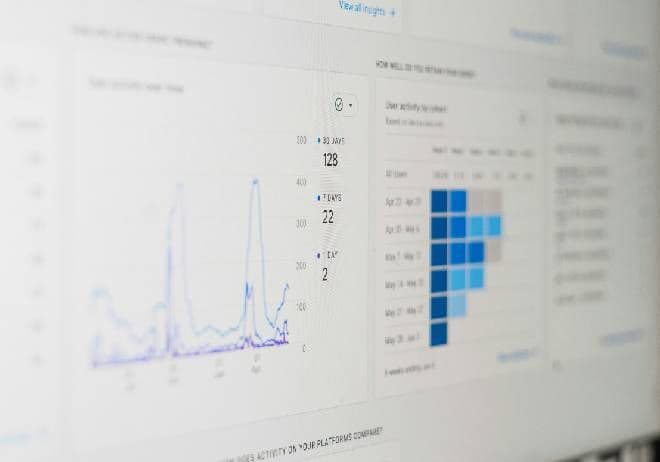
Data Governance and Quality
Centralize quality metrics, traceability, and sensitivity indicators to improve data lifecycle management.
Compliance and Privacy
Identify sensitive information and document data processing activities before sharing data.

Dataset Publishing and Sharing
Ensure quality, documentation, and privacy standards before distributing information.
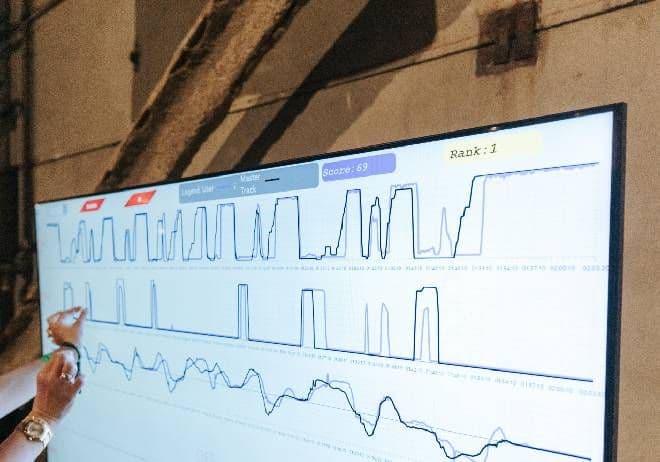
Data Modernization and Migration
Assess the quality and structure of data originating from legacy systems.

Data Products and Monetization
Increase the trust and value of data assets through objective metrics and comprehensive documentation.

Related Articles
Explore some of our explanatory articles and cross-industry use cases to learn more.

Technology with Purpose: Unlocking Responsible AI
Dedomena.AI empowers organizations to unlock the value of data without compromising ethics, privacy, or inclusion.

Validating AI: Secure Transparent Model Assessment
In an era where AI systems drive critical decisions, validating these models reliably and fairly is no longer optional.

5 Tech Trends Shaping Data and AI in 2024
The five technological trends that are defining the future of data and artificial intelligence.
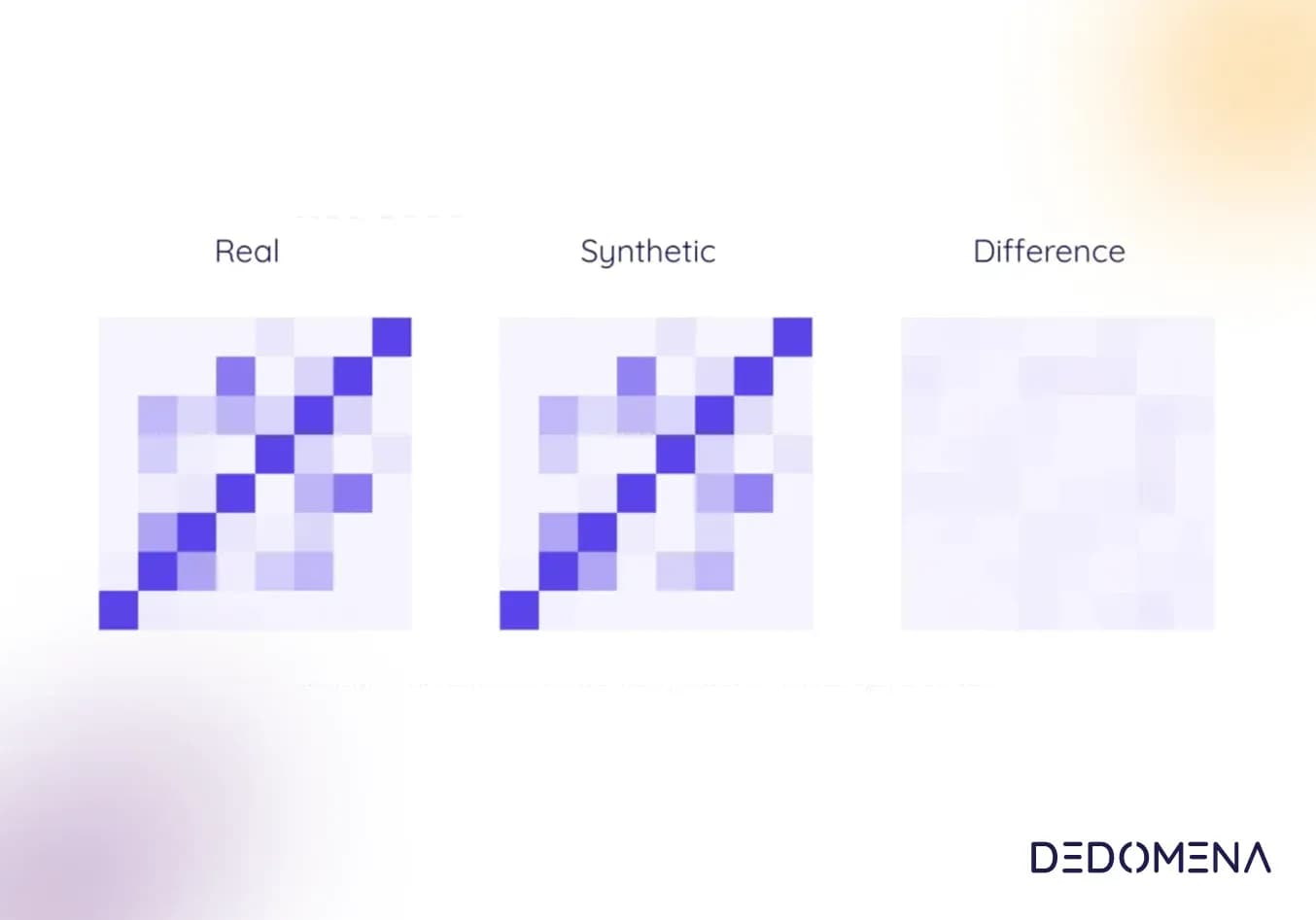
Enhancing AI Fraud Detection with Synthetic Data
A case study on improving fraud detection models using synthetic data augmentation.

Navigating Privacy and Efficiency with Federated Learning and Synthetic Data
How federated learning combined with synthetic data creates powerful privacy-preserving AI solutions.

Ensuring Data Privacy in ChatGPT with Dedomena
How Dedomena's technology ensures data privacy when using large language models like ChatGPT.